


Quick answer: To ship a K-pop photocard safely, put it in a snug inner sleeve, slide it into a toploader, and tape the toploader's opening shut (tape the toploader, never the card). Put it in a small plastic bag to keep it dry, sandwich it between two pieces of cardboard or use a rigid mailer, and send it in an envelope marked "Do Not Bend." For valuable or rare cards, choose a shipping option with tracking.
Photocard shipping terms you'll see
- Inner sleeve (penny sleeve): a thin, snug plastic sleeve that touches the card and protects it from scratches.
- Toploader (TL): a rigid plastic holder that stops the card from bending.
- Double sleeving: putting a sleeved card inside a second, slightly larger sleeve for extra protection.
- Team bag: a small resealable plastic bag that keeps the toploader dry and clean.
- PWE: "plain white envelope," a regular letter envelope, usually with no tracking.
What you need to ship a photocard
| Supply | What it does | Shop |
|---|---|---|
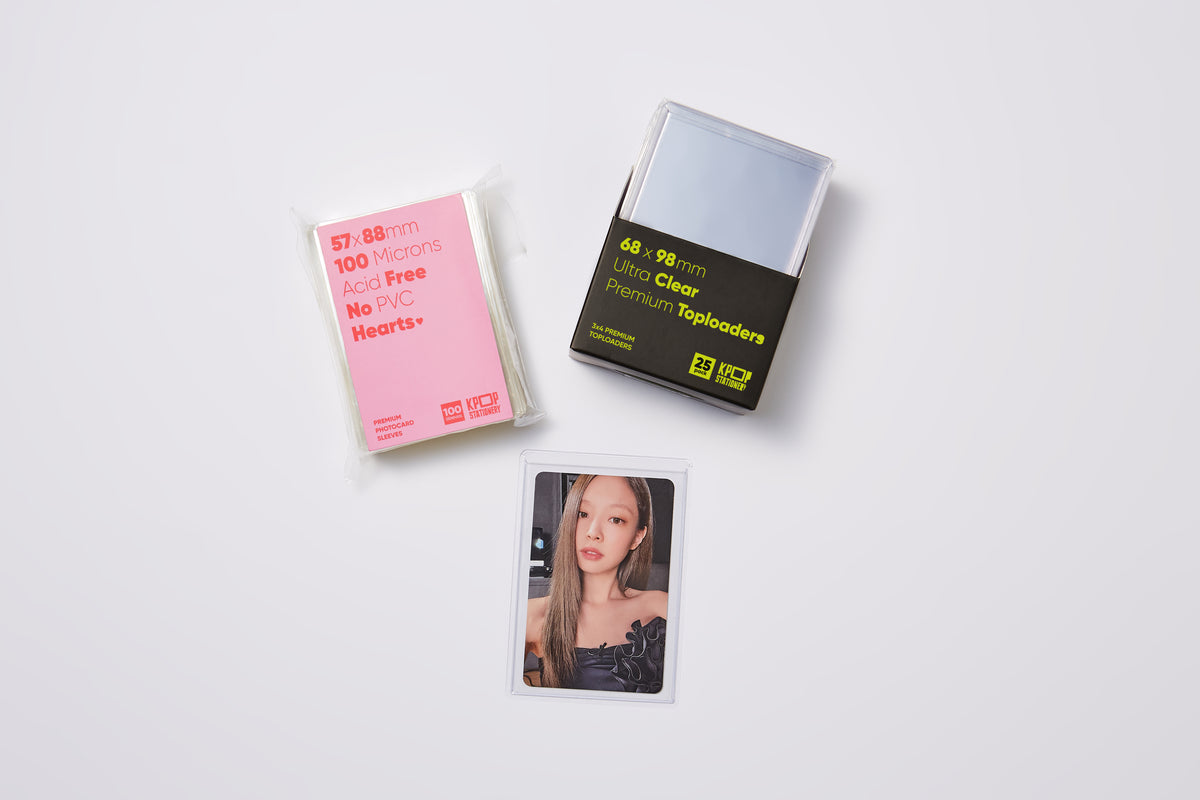
| Inner sleeve (57 x 88mm) | Protects the card surface from scratches and dust | The Standard · Thick |
| Toploader (68 x 98mm) | Keeps the card flat and stops bends and dents | Premium Toploader |
| Low-tack tape | Seals the toploader so the card can't slide out | Painter's tape or masking tape |
| Small plastic bag | Protects against rain and spills | Team bag or a small zip bag |
| Cardboard or rigid mailer | Adds stiffness so the envelope can't fold | Clean cardboard, cut slightly larger than the toploader |
| Envelope or bubble mailer | Carries everything through the mail | Any stationery store or post office |
How to pack a photocard for shipping, step by step
- Check and photograph the card. Take clear photos of the front and back, including the corners and any marks. This is your proof of condition if there's a problem later.
- Sleeve it. Slide the card into a snug 57 x 88mm inner sleeve. Hold the sleeve open and insert the card slowly so the corners don't catch.
- Put it in a toploader. Insert the sleeved card into a 68 x 98mm toploader with the sleeve's open end going in first, so the card can't slip out of the sleeve. Push it gently until it sits at the bottom. Our toploader has a 60 x 90mm inner space, made for a standard card in a single 57 x 88mm sleeve.
- Seal the opening. Fold a strip of low-tack tape over the top of the toploader. Fold the end of the tape back on itself to leave a small tab, so the receiver can peel it off easily. The tape only touches the toploader, never the card.
- Waterproof it. Put the toploader in a team bag or small zip bag and seal it.
- Add stiffness. Sandwich the bag between two pieces of cardboard and tape the edges, or use a rigid mailer.
- Pack and label. Put everything in the envelope, write "Do Not Bend" on the front, and add a small thank-you note or freebie if you like.
Which sleeve should you use for shipping?
| Sleeve | Thickness | Best for |
|---|---|---|
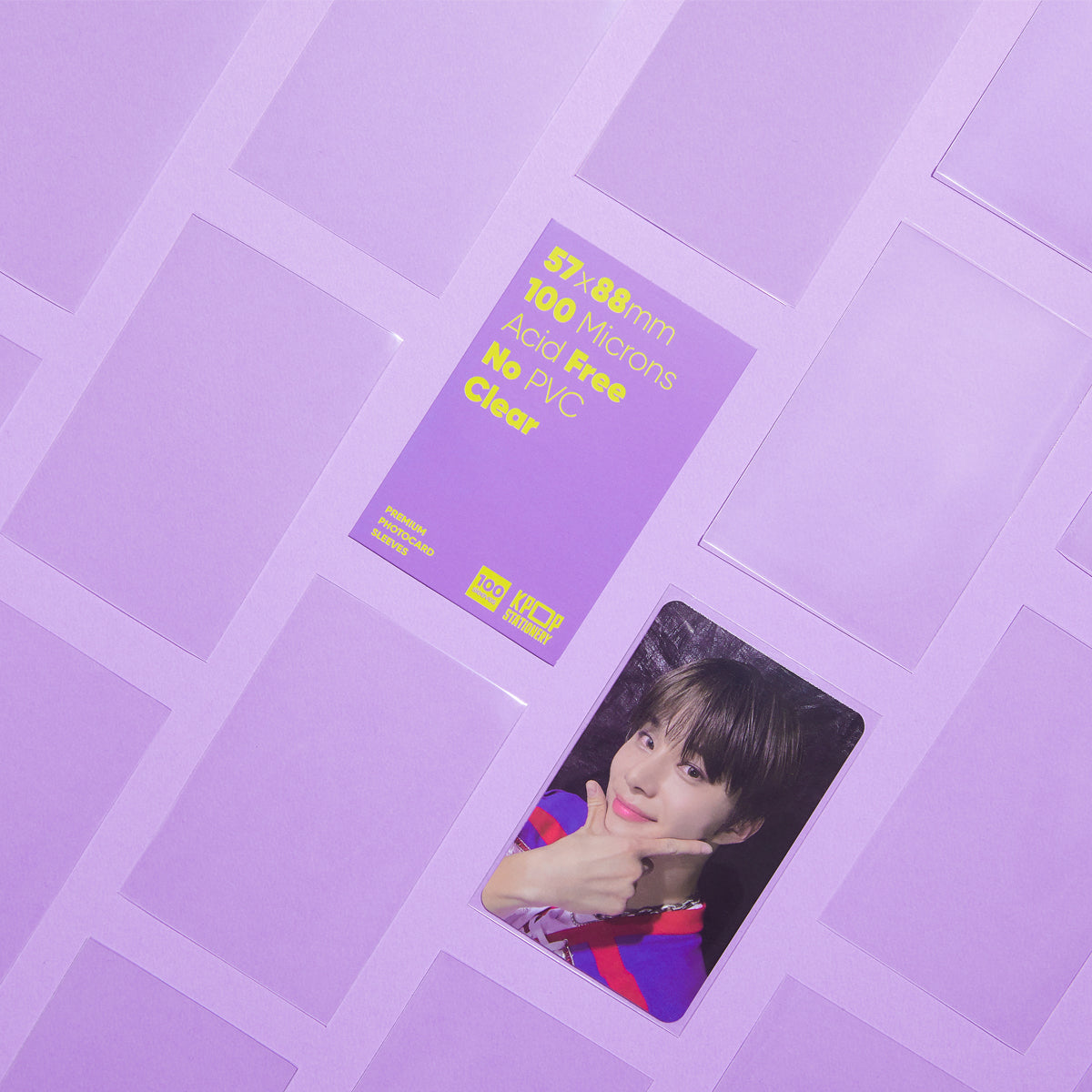
| The Standard, 57 x 88mm | 100 microns | Everyday trades; slides easily into a toploader |
| Thick, 57 x 88mm | 120 microns | A bit more protection inside a toploader |
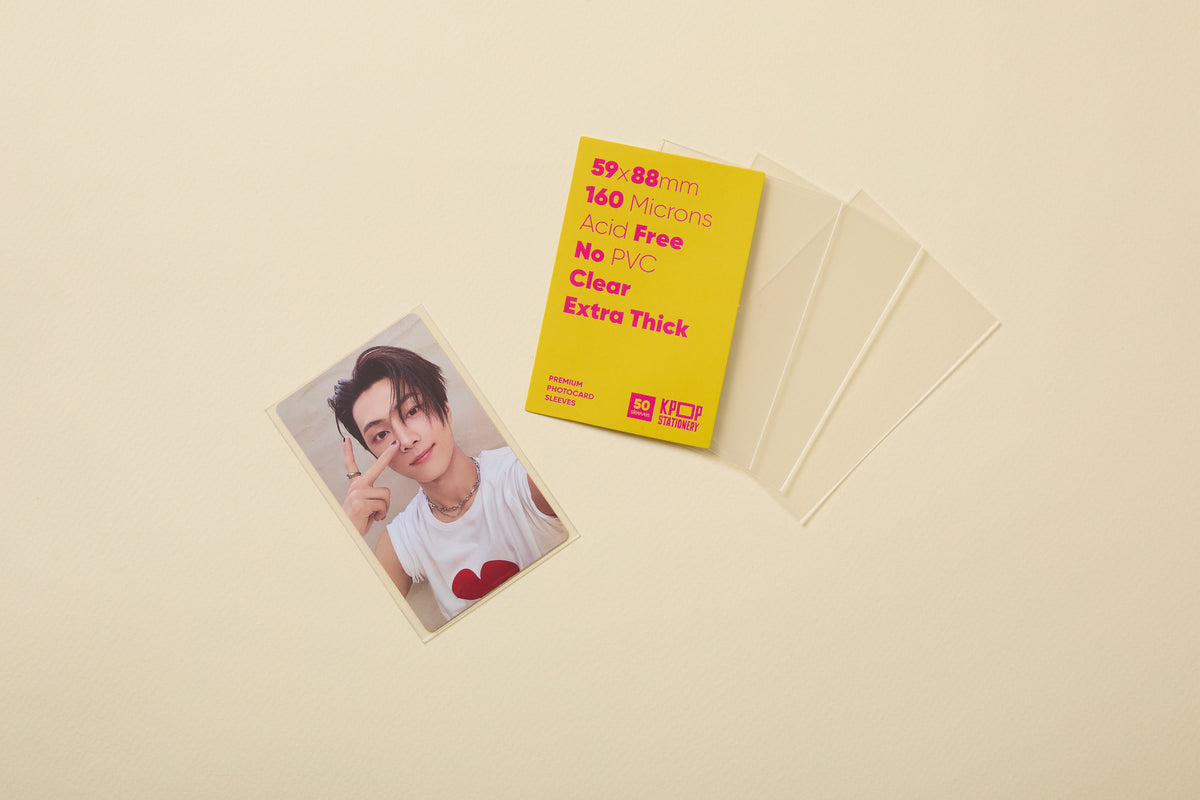
| Extra Thick, 59 x 88mm | 160 microns | Rare cards shipped between cardboard instead of a toploader |
| Double Sleeve, 61 x 91mm | 100 microns | An outer sleeve over a sleeved card, shipped between cardboard |
Tip: Our toploader is sized for a card in a single 57 x 88mm sleeve. If you use an Extra Thick sleeve or double sleeve a card, ship it between cardboard instead of forcing it into a toploader.

Envelope vs. bubble mailer: which should you use?
| Plain envelope (PWE) | Bubble or rigid mailer | |
|---|---|---|
| Best for | 1 or 2 common cards | Several cards, rare cards, or cards plus freebies |
| Tracking | Usually none | Easy to add |
| Cost | Lowest | Higher |
| Bend protection | Only with cardboard inside | Better, especially rigid mailers |
Postage rules differ by country. A stiff or bulky envelope may need extra postage, so check with your post office before sending, and choose a tracked option for any card you can't replace.
How to ship JP, mini and holographic cards
- Japanese (JP) photocards are taller than standard cards. Use a 58 x 98mm JP sleeve and ship between cardboard, since they won't fit a standard toploader.
- Mini ID photos fit 33 x 43mm or 38 x 48mm sleeves. Put the sleeved photo in a toploader and tape the opening, or tape the sleeve (never the photo) onto a piece of cardboard so it can't slide around.
- Holographic cards can show scratches more easily, so always sleeve them before they go into a toploader. A holographic sleeve can make a trade feel extra special. Holographic sleeves come in several sizes, so check the size before putting one in a toploader. Read our holographic sleeve guide to choose one.
Tips for safe photocard trading
- Agree on everything first. Confirm the exact cards, their condition, who ships first and the shipping method before anyone sends anything.
- Check the other collector. Look for trade proofs, reviews or references from other fans, especially with a new trading partner.
- Share tracking. If you used a tracked service, send the tracking number as soon as the package is mailed.
- Record the unboxing. When you receive a card, film yourself opening the package. If something arrives damaged, the video helps both sides sort it out.
Photocard shipping mistakes to avoid
- Putting tape on the card itself. Tape can leave residue or tear the card when removed. Only tape the toploader or the packaging.
- Skipping the inner sleeve. A bare card can scratch as it slides around inside the toploader.
- Forcing a card into a toploader that's too small. This can bend the corners. Use the right size for the card and sleeve.
- Sending with no stiffness. A toploader alone can still bend inside a thin envelope. Add cardboard or use a rigid mailer.
- Forgetting about rain. Mailboxes get wet. A small plastic bag costs almost nothing and protects the card.
Want to make your trade feel special? See our guide on how to decorate a toploader, and read 12 tips every photocard collector should know.
Frequently Asked Questions
How do you ship a photocard without it bending?
Put the card in an inner sleeve and a toploader, then sandwich the toploader between two pieces of cardboard or use a rigid mailer. Write "Do Not Bend" on the envelope.
What size toploader fits a K-pop photocard?
A 68 x 98mm toploader fits a standard K-pop photocard in a single 57 x 88mm inner sleeve.
Can I mail a photocard in a regular envelope?
Yes, many collectors do for common cards, but a toploader can make the envelope stiff or bulky, which may need extra postage. Check your post office's rules, and use a tracked option for rare cards.
Should I double sleeve photocards for shipping?
Double sleeving adds protection, but a double-sleeved card may not fit a standard toploader. Use either a single sleeve with a toploader, or a double sleeve with cardboard.
How do I seal a toploader without damaging the card?
Fold a strip of low-tack tape, like painter's tape, over the toploader's opening, and leave a folded tab at the end so it's easy to peel. The tape never touches the card.
What should I do if a photocard arrives damaged?
Take photos right away, share your unboxing video if you have one, and contact the sender calmly to work it out.


